Catalog
3D-printed
One benefit of producing sculpture digitally is that it becomes possible to utilize additive as well as subtractive means to bring it into physical reality. This allows forms to be built that would be difficult if not impossible to create any other way. While 3D printing using a melted flow of thermoplastic is the most well-known method, it’s far from the only one. As well as that one, which he’s found useful as a basis for metal casting, Andrew Werby has explored other means of creating forms additively, such as optically catalyzed resin printing, which reproduces fine details without obvious layer lines, and laser sintering, which permits building light and airy forms without the support structures normally required. One of his favorite 3D printing techniques involves printing a colored binder into a bed of gypsum-based powder, so that photographic images applied to the virtual model are printed onto the surface of the piece, either complementing or in some cases contradicting the underlying forms.
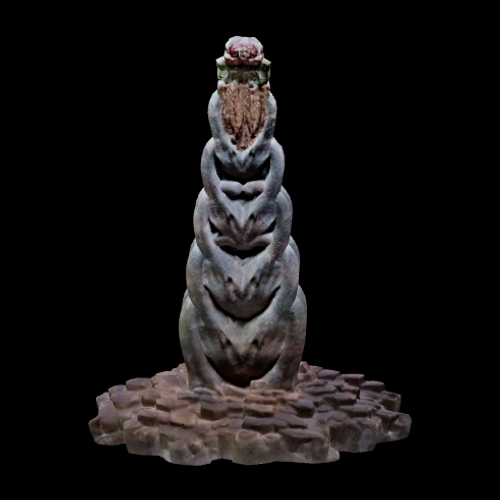 Aragour
 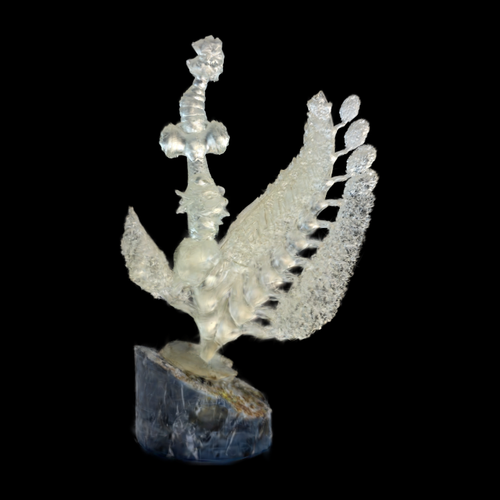 Bamcomag
 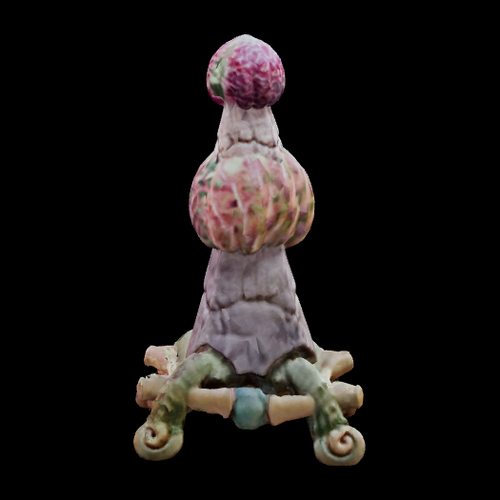 Bamscute
 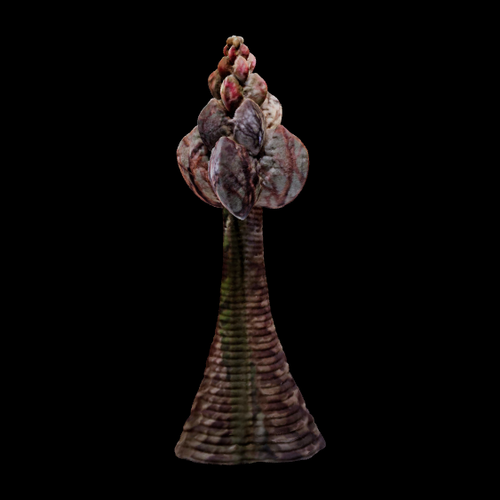 Baobshar
 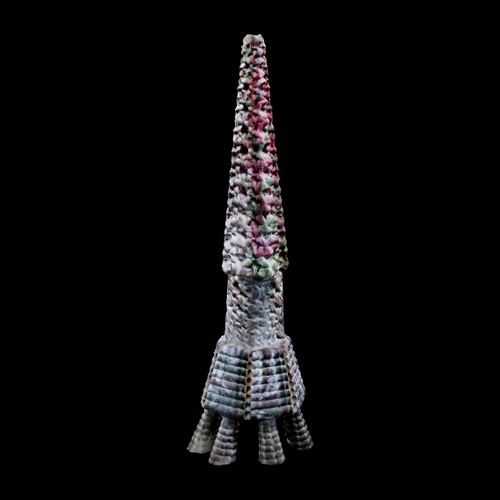 Cavbecamto
 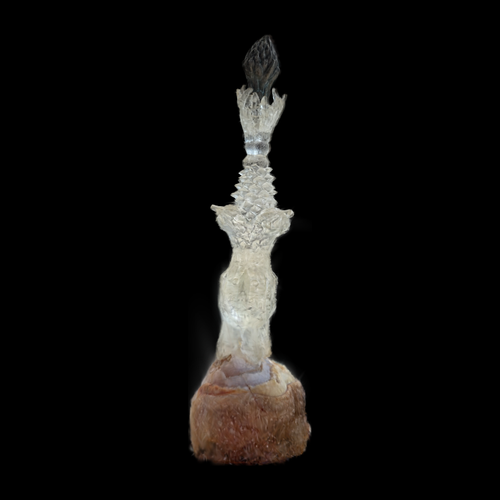 Citraloe
 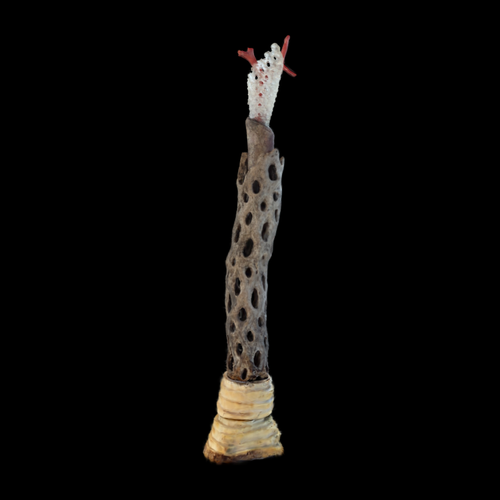 Corabone
 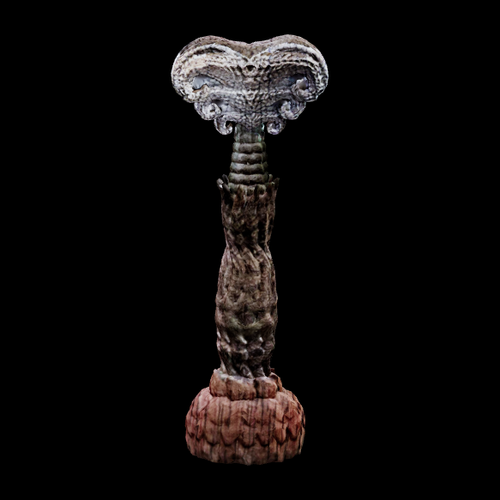 Dinogopias
 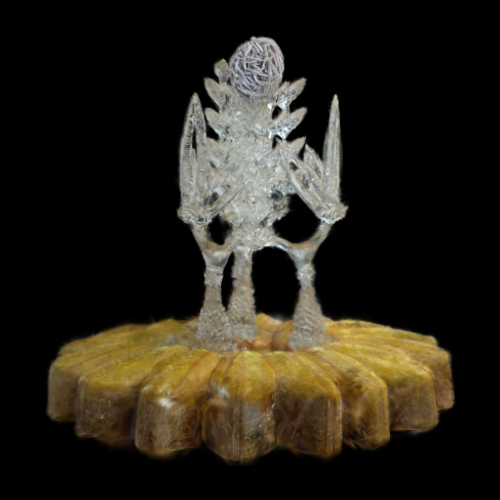 Gypscabeet
 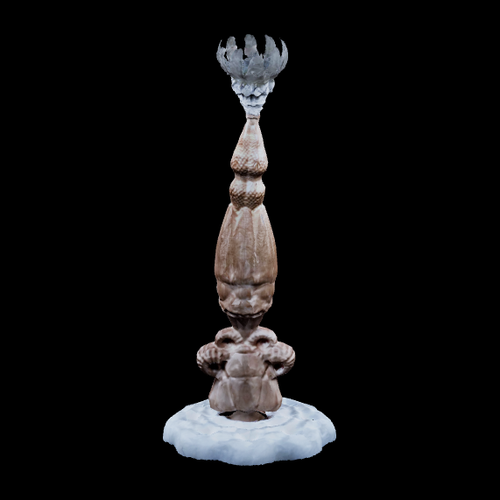 Lobscaram
 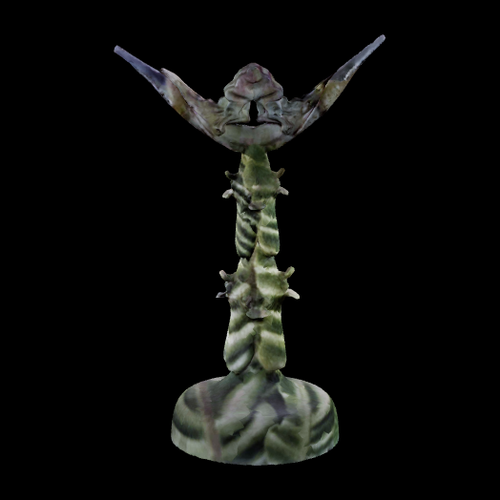 Magnogora
 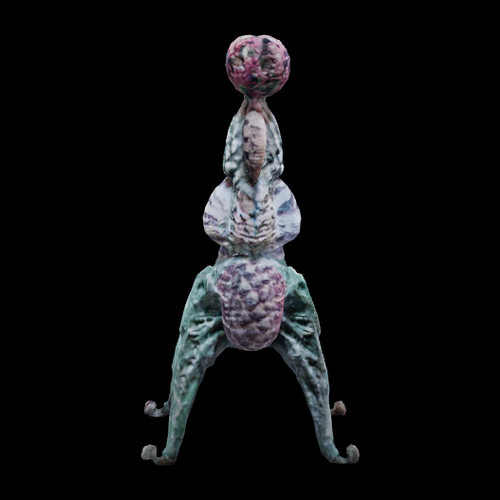 Nautivert
 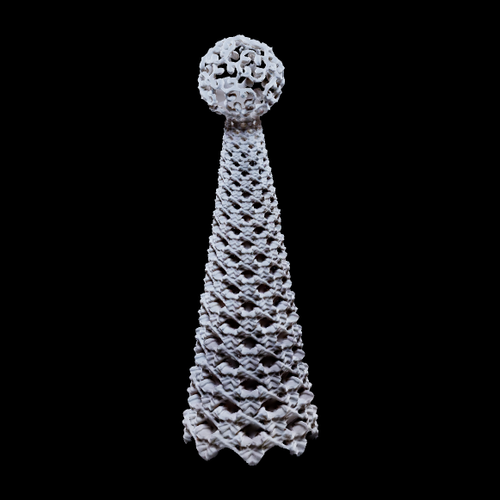 Ramgysk
 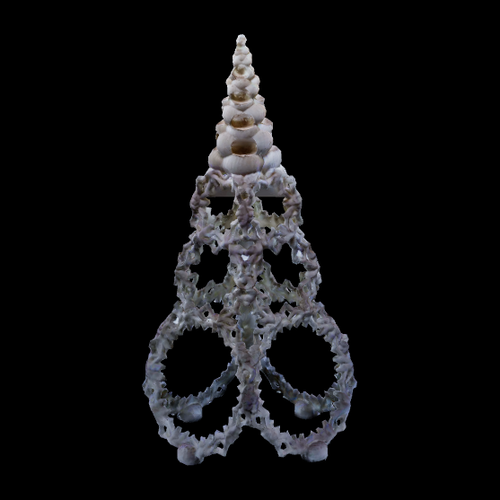 Rubrum Albanis
 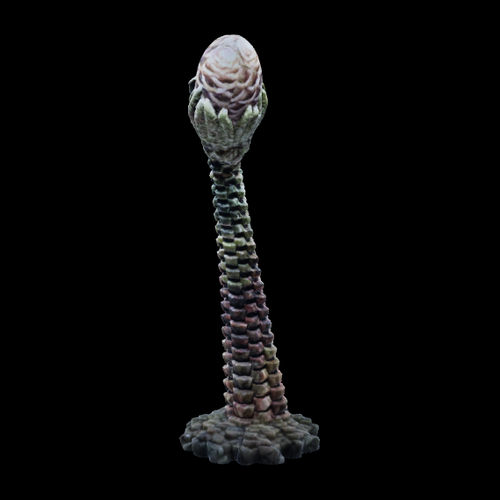 Stareg
 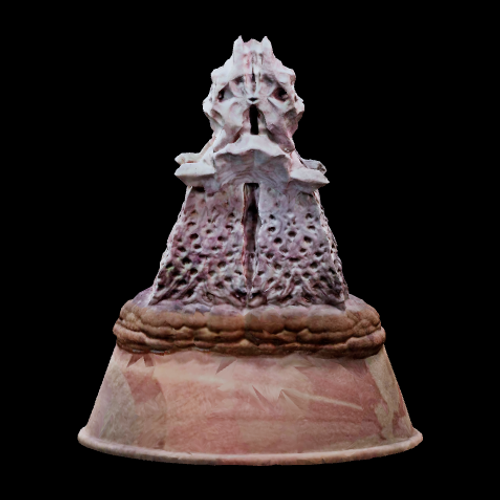 Suisecact
 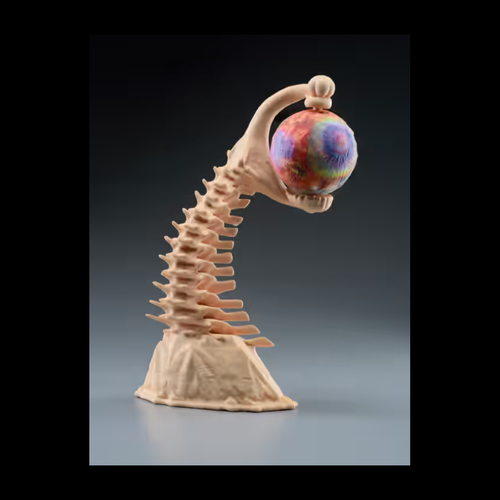 Souvenir of our Universe