Catalog
Digitally Mastered
Once he realized that 3D scans could stand in for molds when capturing source material for his sculpture, Andrew Werby began manipulating them digitally, taking advantage of the unparalleled fluidity that characterizes digital models. Suddenly, problems like chirality—an object like a right hand with no corresponding left one—could be solved with a simple Mirror command. Pieces like a river valley and a turtle’s back could be rescaled, enabling them to be merged. Parts could be distorted endlessly, or rhythmically overlapped to follow a curve. The possibilities are endless, and exciting to explore. The use of advanced software with haptic feedback makes it possible to actually feel the parts as they’re put in place or made to fit one another. Once a model is digitally mastered, it’s no longer restricted to any particular size, and can be carved or printed at any scale compatible with the equipment and materials employed.
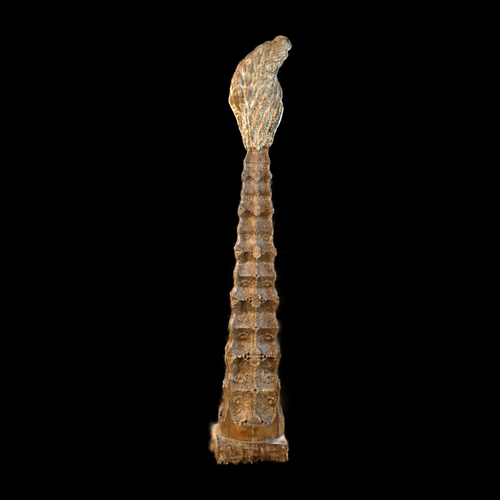 Acorcit
 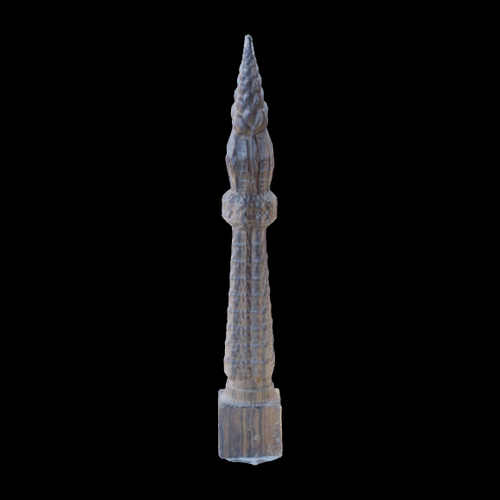 Ammbar
 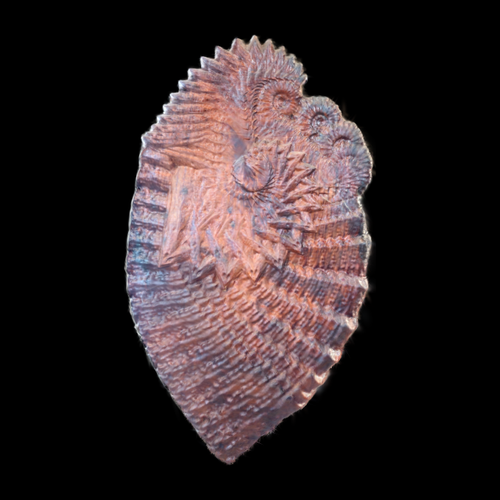 Ammocanth
 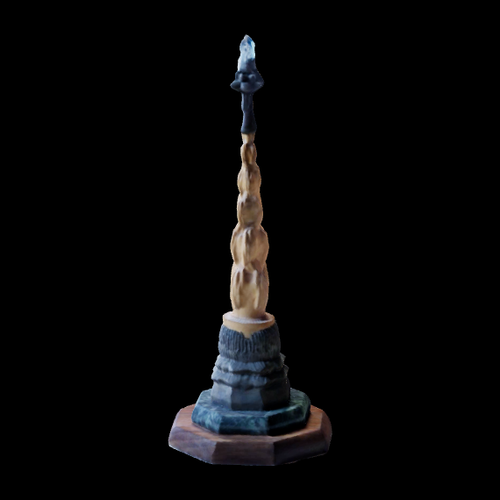 Aquarhin
 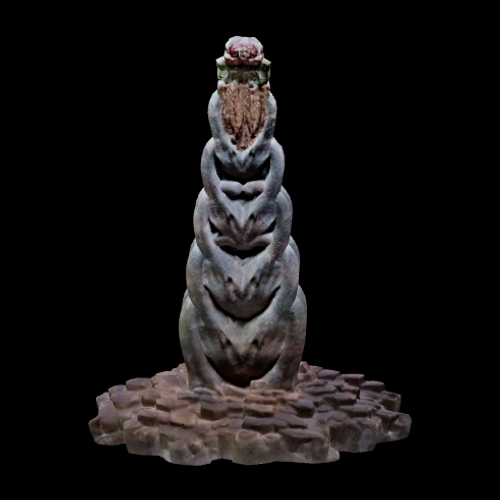 Aragour
 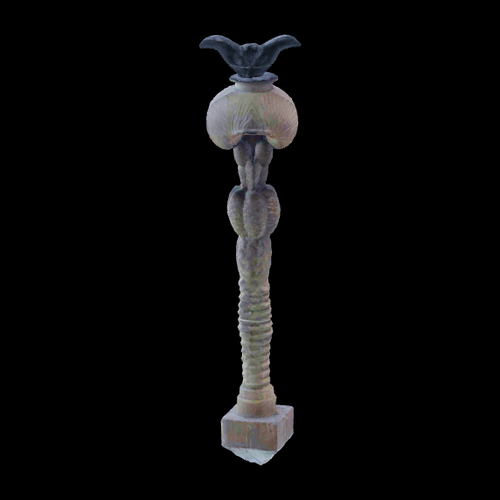 Archipinc
 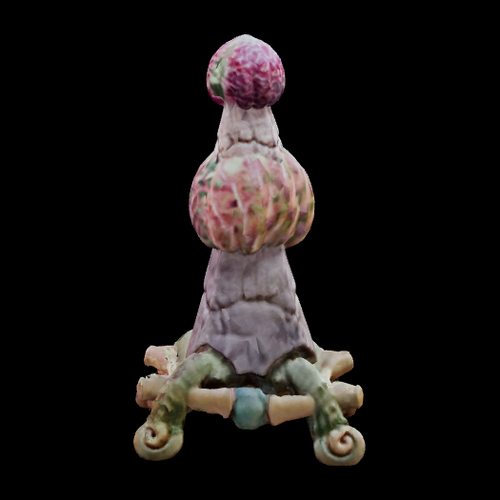 Bamscute
 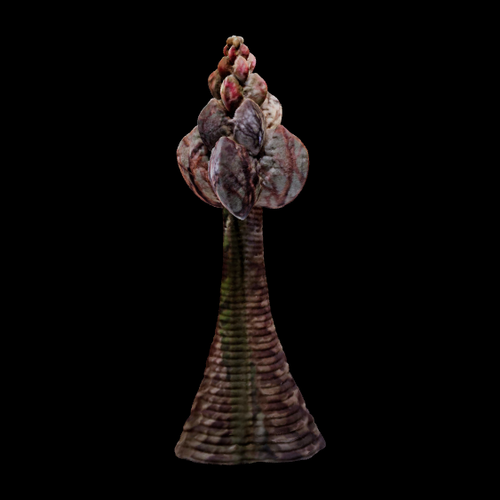 Baobshar
 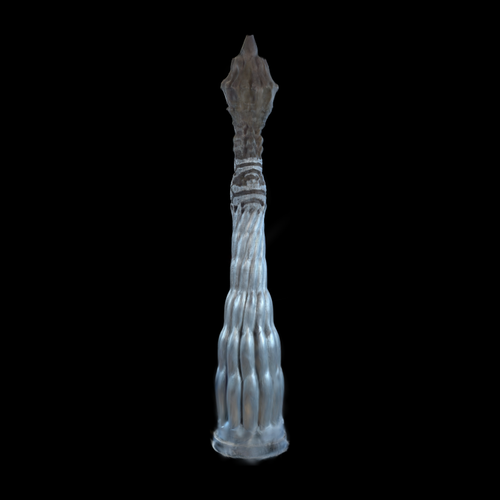 Berigar
 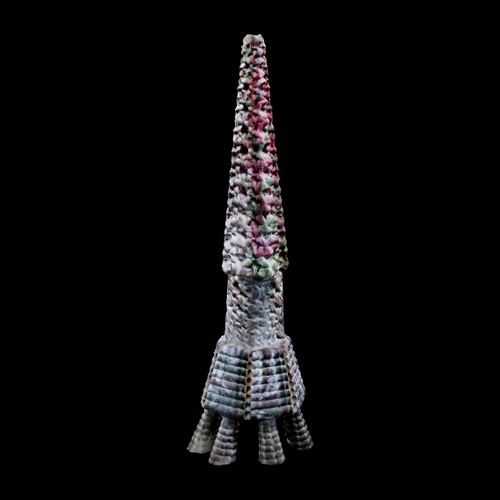 Cavbecamto
 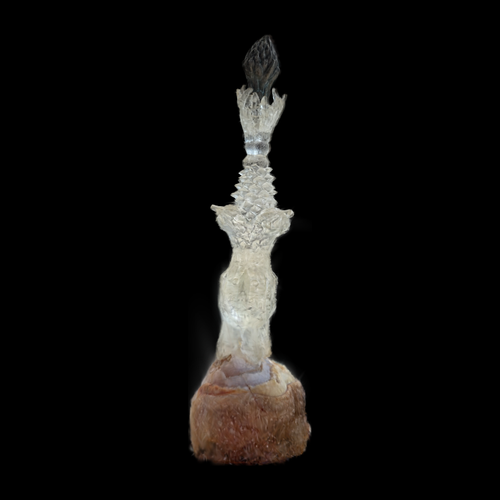 Citraloe
 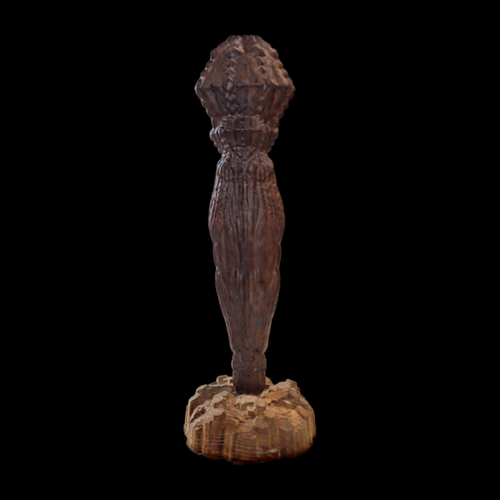 Citroguit
 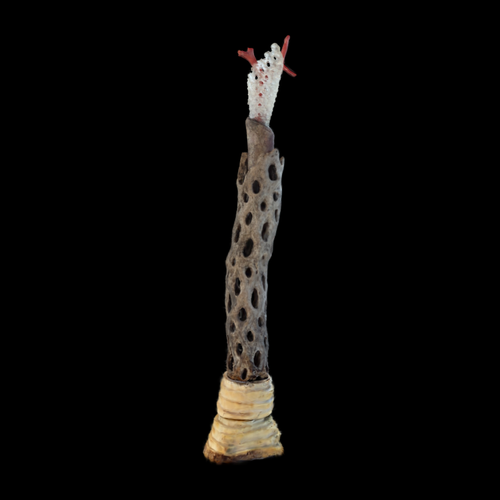 Corabone
 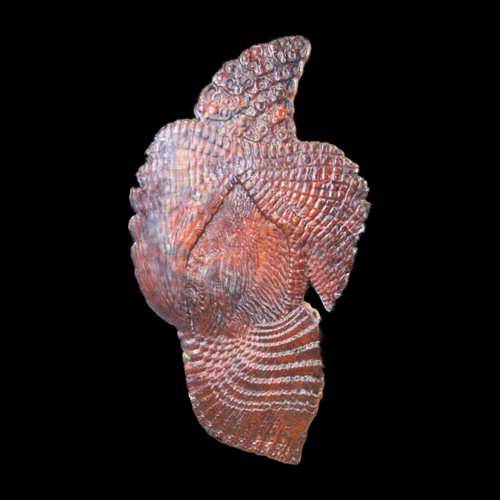 Demystycro
 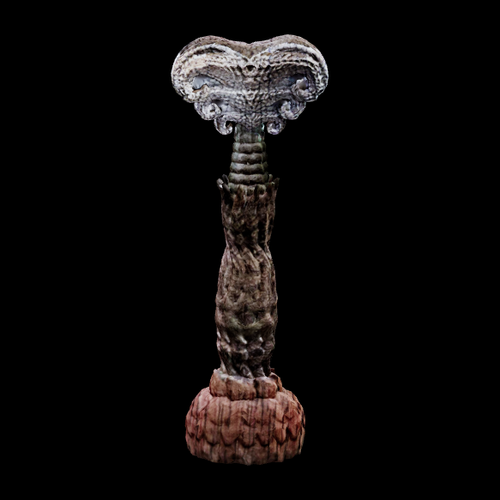 Dinogopias
 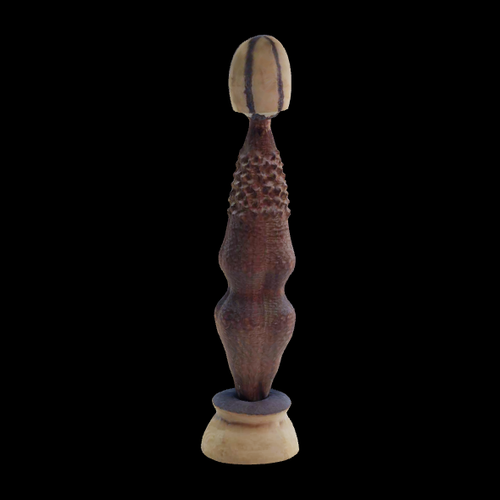 Douguit
 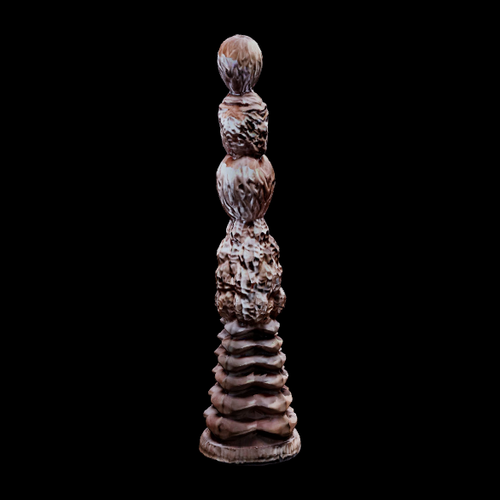 Foxtagour
 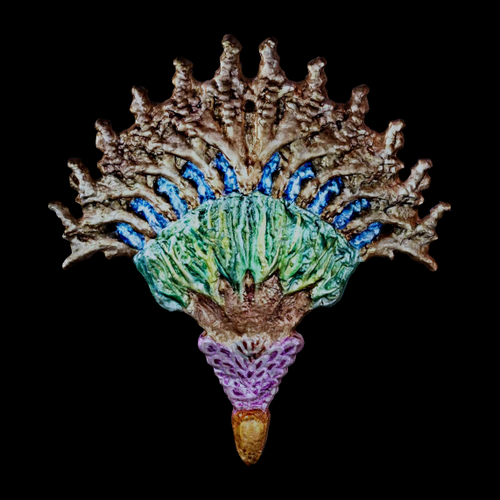 Gincrin
 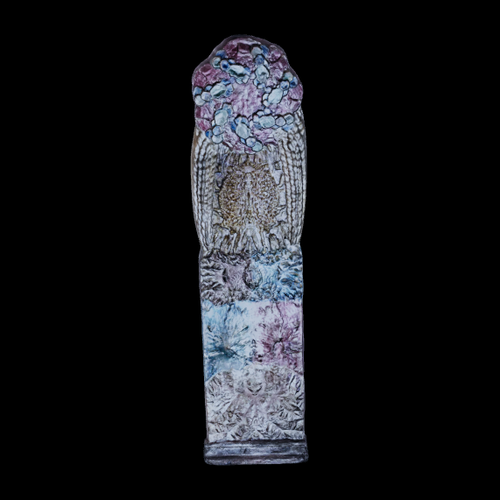 Helenarag
 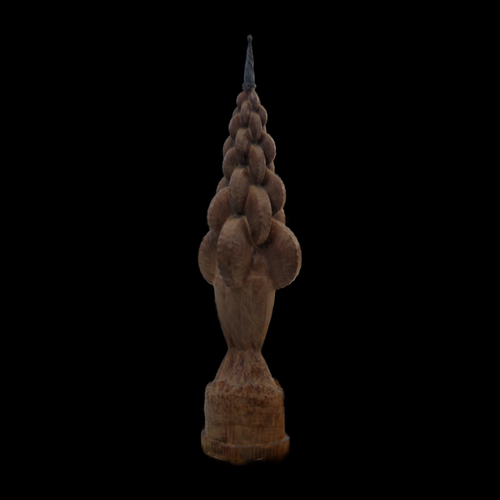 Irhinaut
 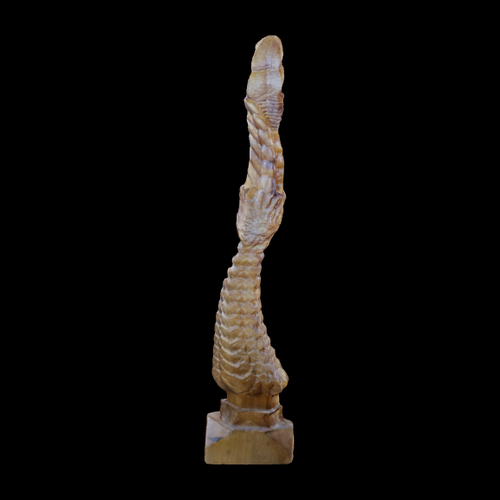 Lithostar
 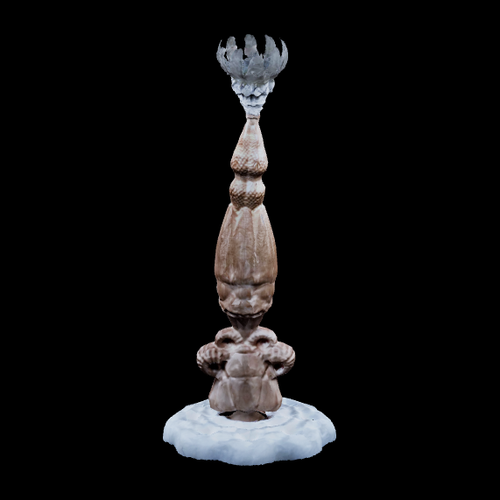 Lobscaram
 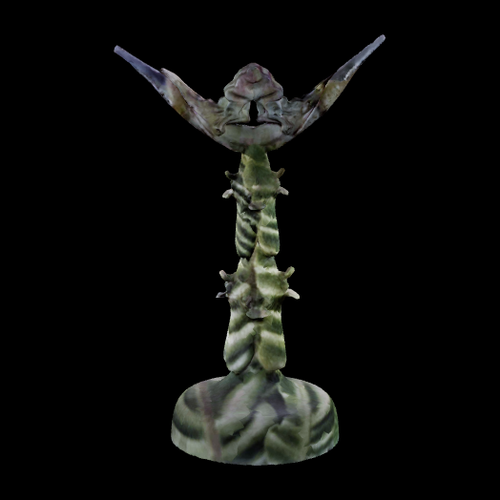 Magnogora
 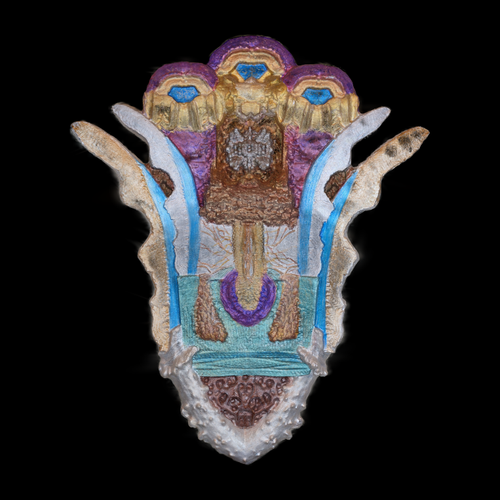 Moldanth
 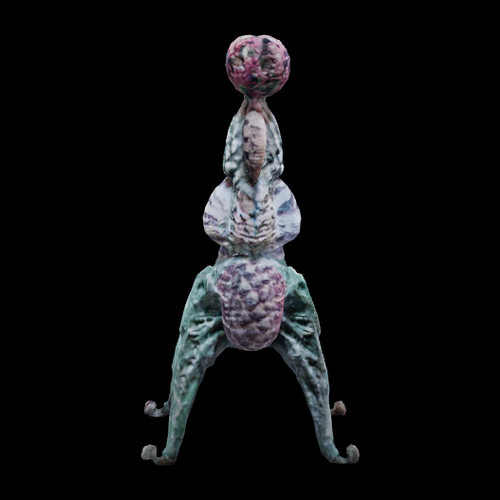 Nautivert
 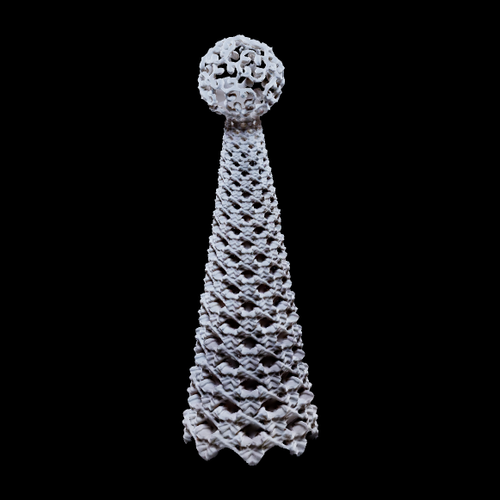 Ramgysk
 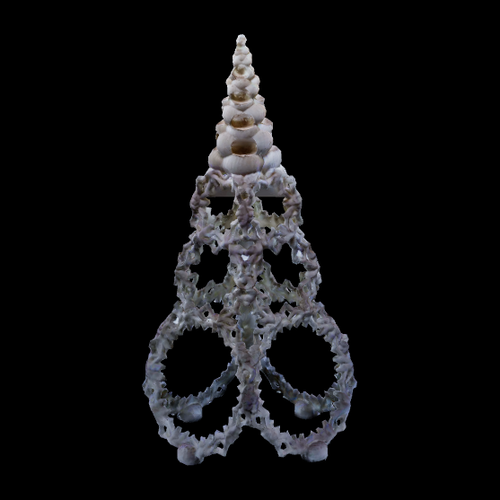 Rubrum Albanis
 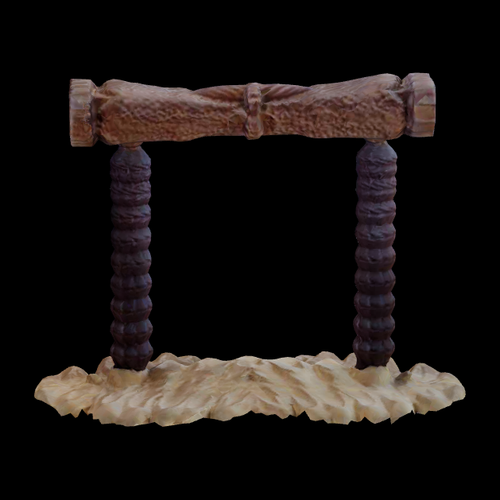 Spiriport
 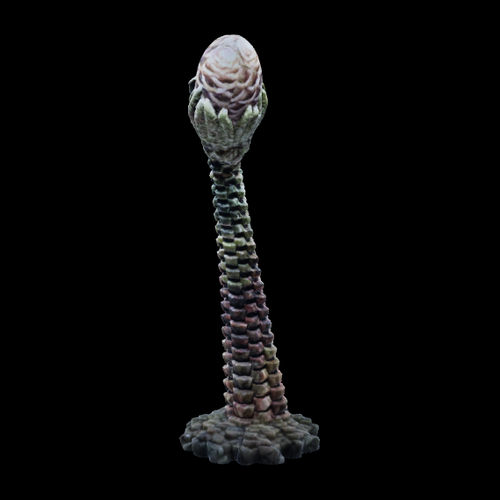 Stareg
 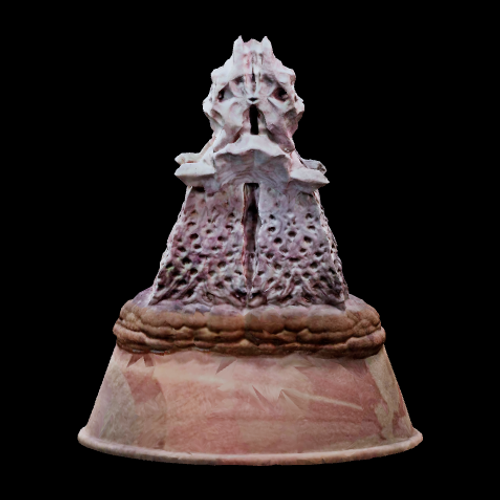 Suisecact
 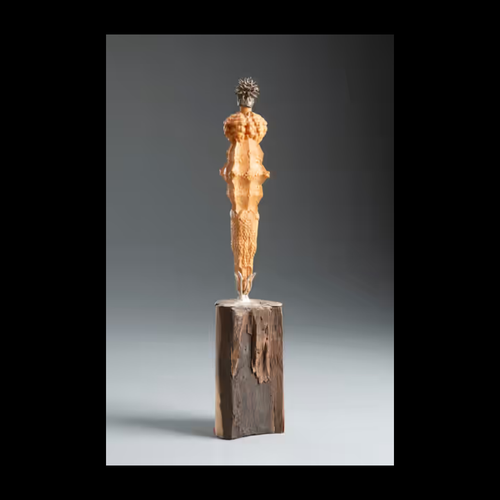 Botryflwr
 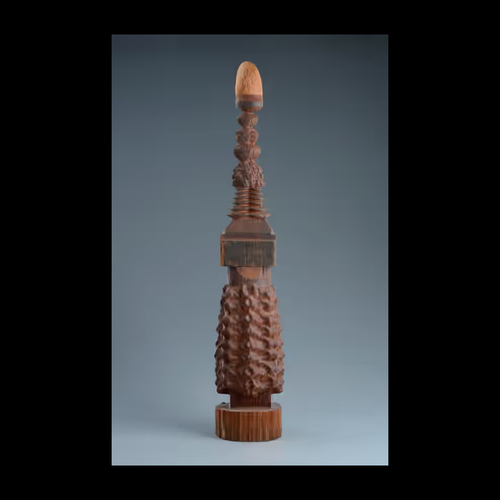 Oreogour
 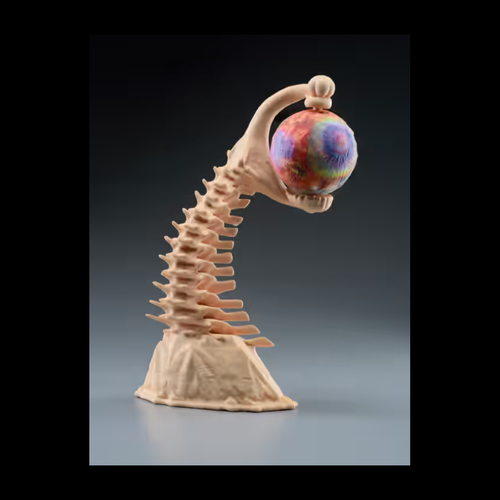 Souvenir of our Universe